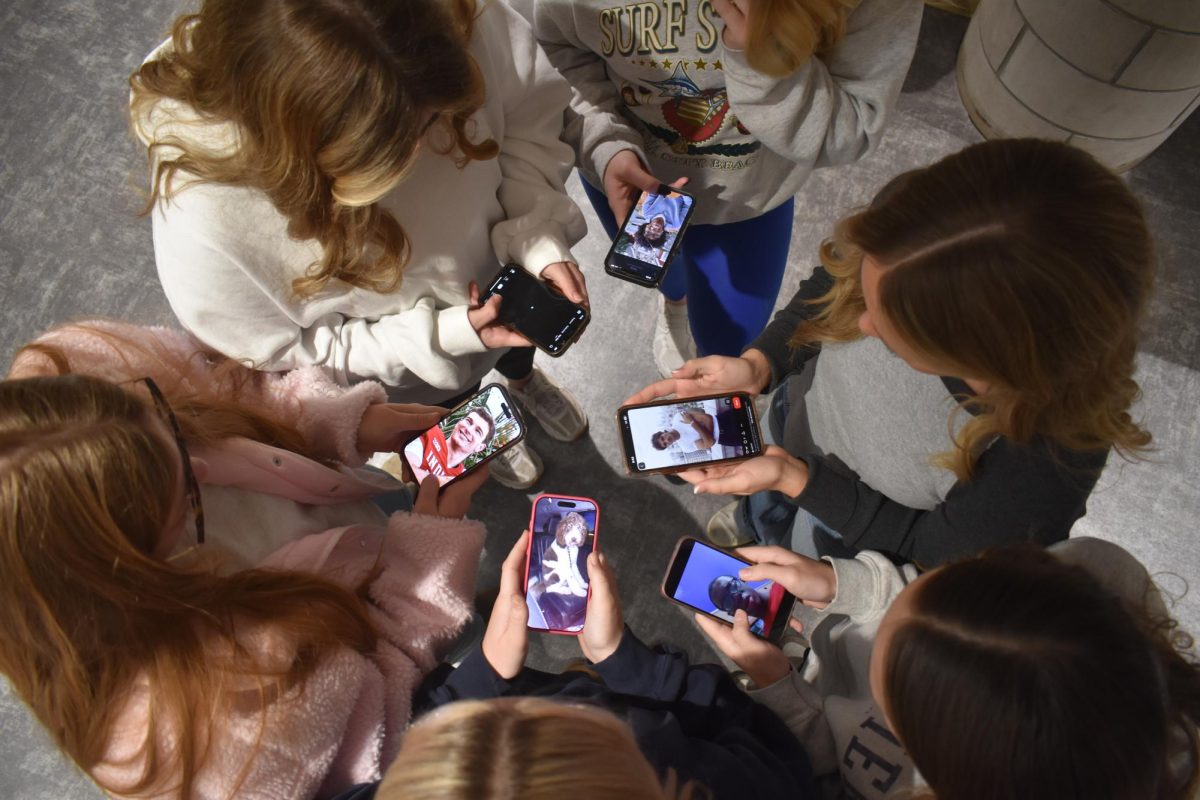
In 2024, the Indiana senate passed a law that requires students to put away their phones during instructional time during the school day. Since the ban has taken effect, there has been a positive correlation between the lack of phone use during school hours and academic success.
The law did not prohibit phone use during passing periods and lunch; however, Indiana lawmakers are looking to expand the bill to require students either to leave phones at home or have them locked away for the full school day.
Since the original phone ban, many Indiana public schools have reported higher GPAs, higher standardized test scores, and decreased behavioral problems.
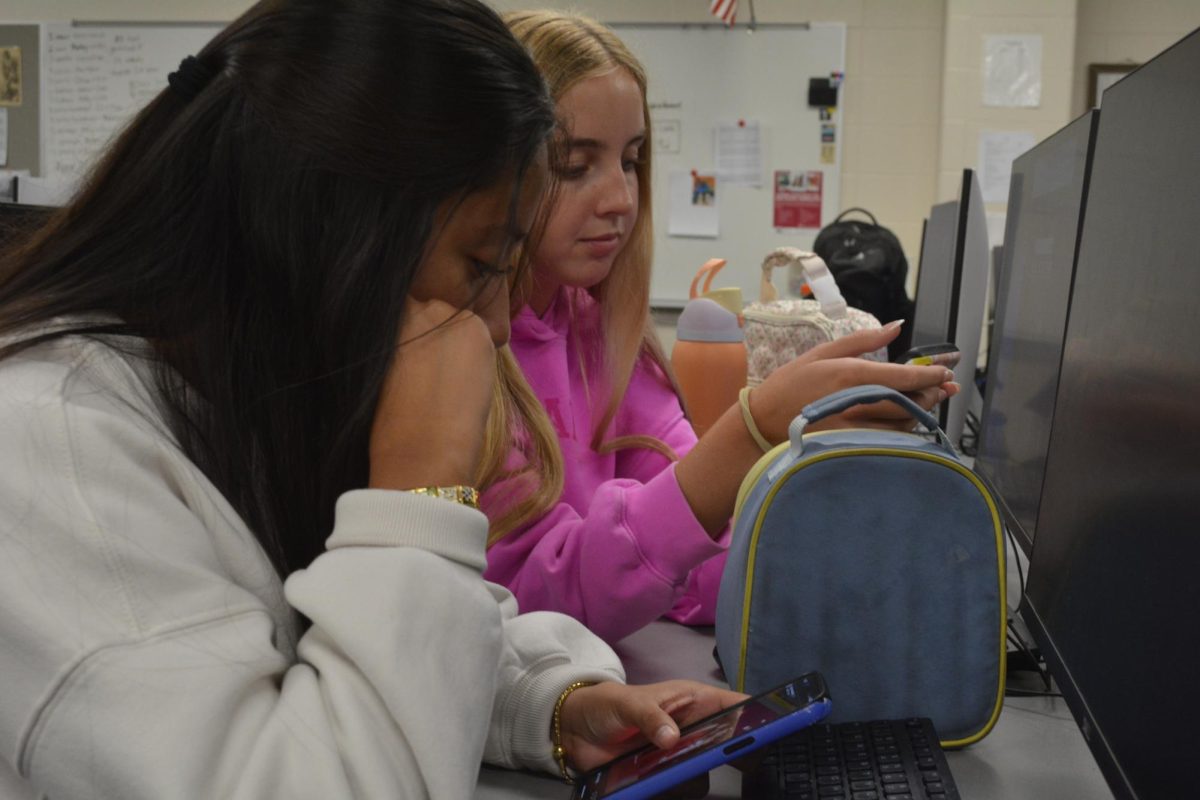
How phones are restricted is up to teacher discretion. At GHS, some teachers require students to leave their phones in pouches on the door when they walk in; other teachers trust students to leave the phones in their backpacks. In classes where students are required to put them away, there is more productivity and focus among students. In classes where students are not required to put them away, focus is easily lost, and I have seen students who are tempted to use their phones and hide them behind their computer screens.
If a new law is passed that requires no phone usage for the full bell-to-bell schedule, smaller Indiana schools may be able to accommodate and purchase phone pouches that lock or have a place for phones in the office. However, it would be a struggle for large public schools to restrict phone usage in the proposed ways.
This idea concerns me, a student, as sometimes I use my phone during passing periods and PowerHour to communicate with my family about appointments, grades, and random questions that concern my personal life. Also, it could also result in backlash from parents who want to know they have the ability to contact their children if absolutely necessary.
Recent violence within schools has increased anxiety within students regarding their safety. If this bill passes, anxiety would only increase, as students would know that they have no potential ability to contact help. If a threat arose within a school setting, students without any possible access to cell phones would be unable to contact law enforcement and family, inhibiting their ability to act quickly in a time of need.
I think that the lawmakers who are still concerned about phone usage at school should look at the results of the previous bill and see that there has been improvement in academic aspects. As a student, I do believe that phones should be put away during classroom time so students are forced to listen to teachers. At the same time, how much more could academics improve when they are already supposed to be away during instructional time?
Most of my peers have busy schedules that revolve around school, sports, work, and sleep. Sometimes, lunch is the only time they can scroll on social media or text their friends. Taking away the small break that students get during the school day will result in backlash from students and increased lazy attitudes in the classroom.
I think that removing phones from the classroom has had a positive effect in almost every aspect, but removing phones from the hallways and lunchroom will not reap any further benefits, rather be counterproductive to their cause.
The bill (78) has passed in the Indiana Senate and now advances to the house to be voted on.